“Design is not just what it looks like
and feels like. Design is how it works.”
Steve Jobs
How I work…
Process
Defined design processes with clear templates and documented ways of working supports innovation, provides better user experiences, reduces risks and costs, enhances team collaboration, and helps designers work faster. By providing structure and consistency it helps build design awareness and understanding across an organisation and supports the adoption of design culture more broadly. Transparent design processes supports sharing learnings from previous outputs, and aligns solutions with user needs, ultimately leading to greater customer satisfaction and business success.
Culture
Design is a powerful problem solving tool. Fostering a design culture with a shared mindset and consistently applying a design-thinking approach is an organisational super power.
I advocate for my workplaces to value, and integrate design principles into daily activities, decision-making, and collaboration to solve problems and create user-centered experiences. Adopting a design culture isn’t just for designers. It raises the collective ability of a team or company to produce innovative and effective work.
How it works in practice

Compromise and negotiation.
As a designer you are an advocate for users. But other specialisations are also advocates for their area of expertise. Balancing the needs of users, against business needs and technical requirements is ultimately a win for users. We want the solution to be supported by achievable business processes and a stable tech stack. To do this there needs to be collective negotiate and compromise, without the end experience being compromised - it’s a delicate balance, but not impossible.
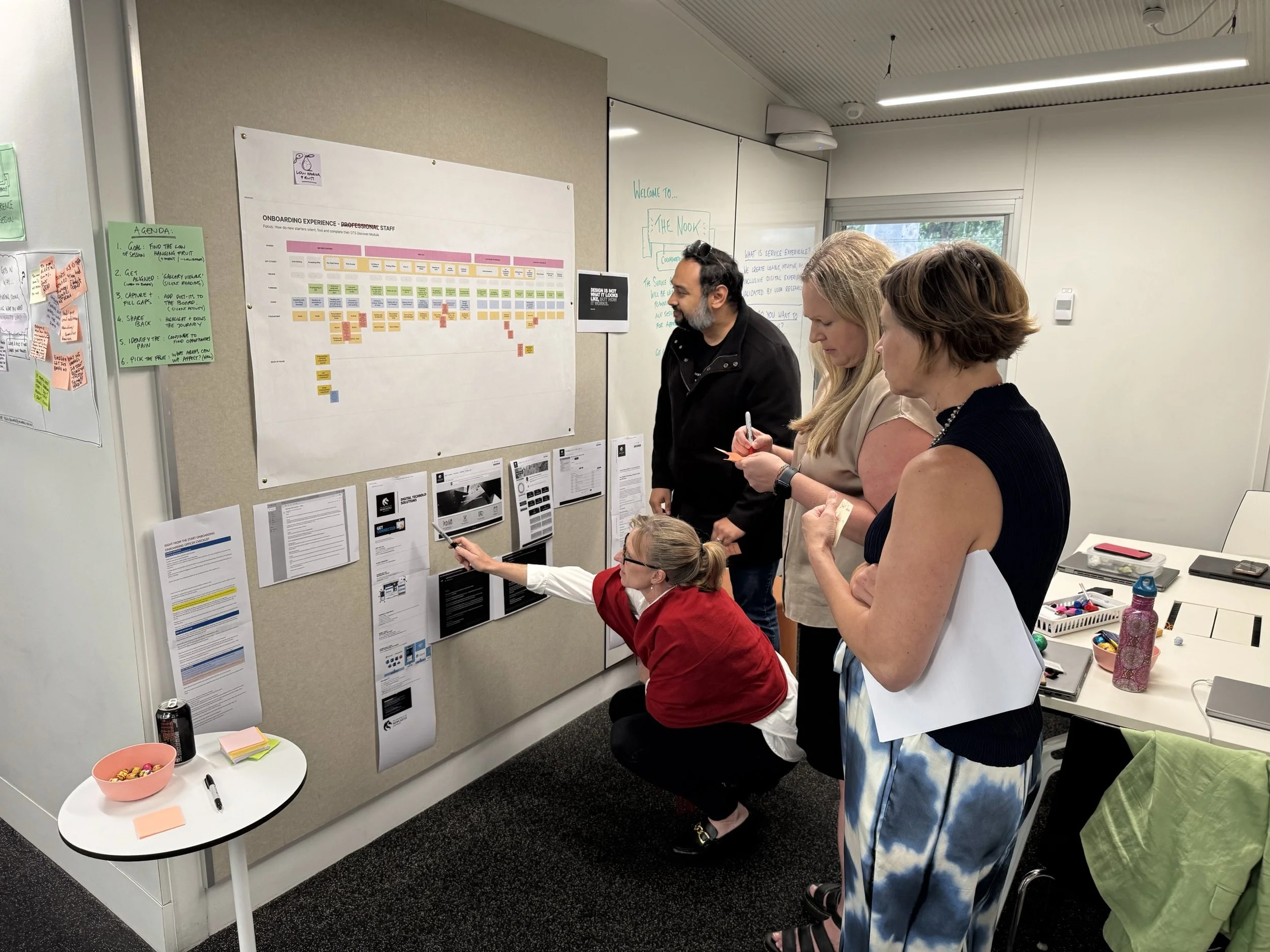
Meet people where they are.
Understand the design appetite and maturity of all project stakeholders and meet them where they are. If there is a low understanding of the design process; explain how it works. If super detailed artifacts have the potential to fall flat because people won’t understand; simplify. If you need to be a design advocate and spend less time refining designs and more time demonstrating their value; do it. There is no point delivering a highly refined outcome with complex documentation, if stakeholders don’t know what to do with it. You need to meet people where they are.
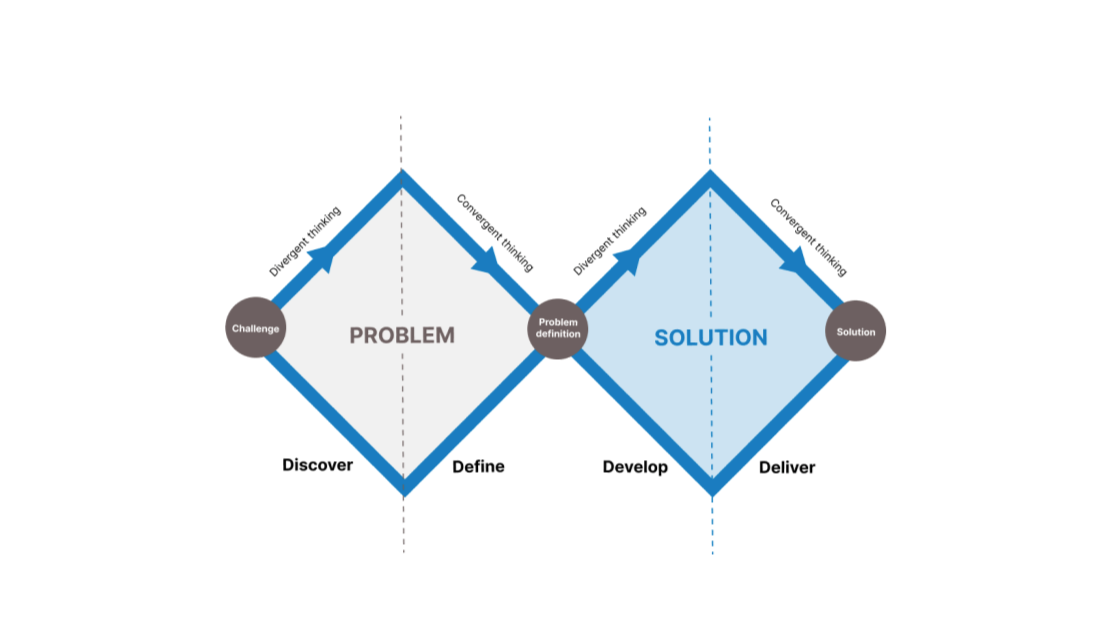
Solve the problem.
Too often not enough time is spent in the first diamond (sometimes being ignored completely) to ‘save time’. In the end, it takes more time because all specialisations are focusing in different directions and not focused on the same problem. Completing adequate problem definition saves time over the project life cycle because there is clarity of vision and agreement of project goals. So don’t plan the solution, solve the problem.
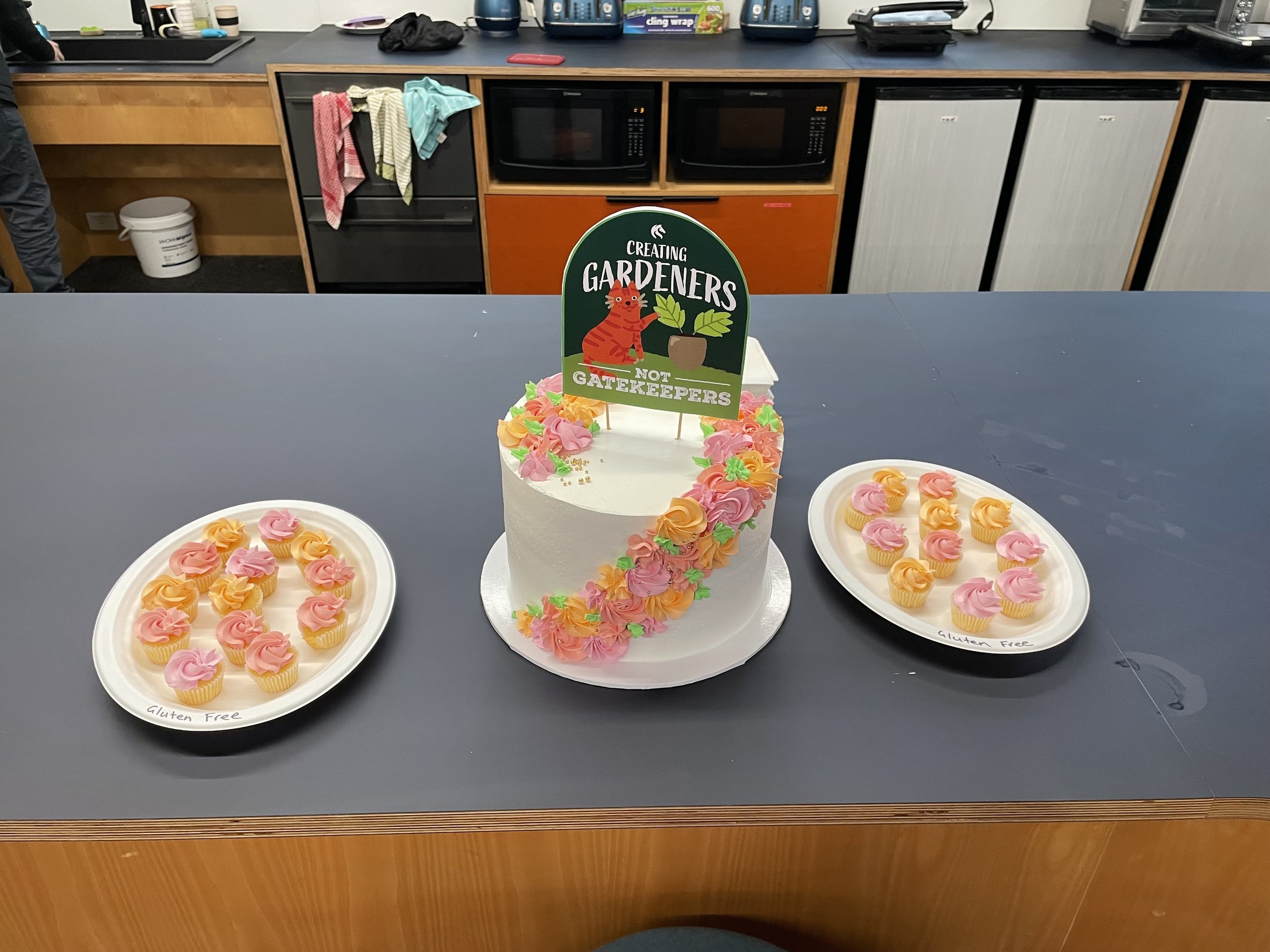
…and celebrate the wins.
It doesn’t necessarily need to be with cake, although that is always nice. But it is important to celebrate progress to celebrate the wins to transparently demonstrate shifts in organisational design maturity. Not just to validate the hard work of all involved but to communicate to less design-minded people what success looks like in a design context. Because it is not their specialisation, they likely won’t be aware of the scope and gravity of what has been achieved, . So, celebrate the wins and use them as a teachable moment to increase design awareness.